Let’s dive deep into the world of Errors and Omissions Insurance—an essential safety net for professionals navigating the unpredictable seas of liability. Imagine a scenario where a simple oversight could spiral into a costly legal battle. That’s where this insurance kicks in, offering protection against claims of negligence or inadequate work.
Errors and Omissions Insurance isn’t just a luxury; it’s a necessity across various industries, from real estate to IT consulting. In Washington State, the rules and requirements are as unique as the professionals they aim to protect. Buckle up, as we unravel the intricacies of obtaining and maintaining this critical coverage.
Understanding Errors and Omissions Insurance

Ever thought what happens if you make a mistake that costs your client big bucks? Enter Errors and Omissions Insurance, your safety net when things don’t go as planned.
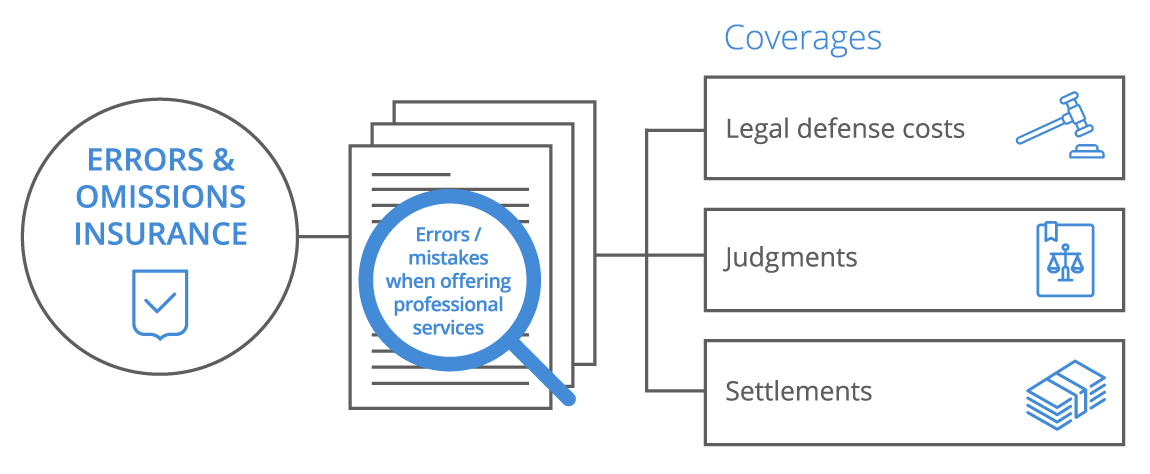
This type of insurance, often known as E&O insurance, is a must-have for professionals who deal in advice or services. It covers the cost of legal defense and settlements if a client sues you for negligence or mistakes. Think of it as your professional armor against costly errors.
Industries That Need Errors and Omissions Insurance
Did you know that 1 in 3 businesses gets involved in litigation at some point? Professionals in fields like IT consulting, legal services, and real estate are at high risk. Even those in healthcare and financial consulting find themselves relying on this insurance more frequently.
Why is that? It’s simple. If you’re providing advice, service, or expertise, you’re at risk of being held accountable for mistakes. And mistakes can happen, no matter how good you are at your job.
Importance for Professionals
Here’s the deal: Without E&O insurance, a single lawsuit could sink your business. It’s not just about covering your back; it’s also about maintaining your professional credibility. Clients are more likely to trust someone who stands behind their work with insurance.
And let’s face it, in some industries, having E&O insurance isn’t just smart; it’s a requirement. Many clients won’t even consider working with a consultant or service provider who doesn’t have it.
Pro Tip: Always review your policy to ensure it covers all the services you offer. Tailored coverage can save you from unexpected loopholes.
Errors and Omissions Insurance Requirements in Washington State
Did you know that in Washington State, having Errors and Omissions (E&O) insurance is a legal requirement for many professionals? If you’re operating without it, you’re not just risking your business; you’re violating state laws.
Here’s the deal: E&O insurance is designed to protect professionals from claims of negligence or inadequate work. But don’t just assume a generic policy will cut it! Each state, including Washington, has specific mandates that can dramatically affect which type of policy you need.
Washington State’s Specific Requirements for E&O Insurance
In Washington, the process to secure E&O insurance involves meeting certain state-specific criteria. First, you need to ensure your policy covers the minimum liability limit set by the state, which is often higher compared to other states. Second, it must cover all facets of your professional services.
While other states might have more lenient or varied requirements, Washington is strict about compliance. This means if you are a real estate agent, a financial advisor, or even a tech consultant, you must adhere to these specific rules.
Comparison of E&O Requirements by State
| State | Minimum Liability Limit | Professional Coverage |
|---|---|---|
| Washington | $1,000,000 | Comprehensive |
| California | $500,000 | Selective |
| Texas | $750,000 | Moderate |
Washington’s higher limits and comprehensive coverage requirements make it one of the stricter states. This is crucial to know because falling short could lead to hefty fines or even business shutdowns.
Professions Required to Have E&O Insurance in Washington State
In Washington, several professions are mandated to carry E&O insurance to protect against claims of errors or omissions. Here’s a quick list of who needs it:
- Real Estate Agents
- Insurance Agents
- Accountants
- Lawyers
- Financial Advisors
This list isn’t exhaustive, but if you see your profession here, you better start shopping for a policy now.
Pro Tip: Always double-check your professional association’s guidelines for any additional requirements!
Coverage Options and Limits
Did you know that over 50% of small businesses have faced legal action at least once in their lifetime? That’s where errors and omissions (E&O) insurance comes in. It can be a lifesaver, but only if you understand the coverage options and limits available to you.
Here is the deal: E&O insurance isn’t one-size-fits-all. Depending on your business needs, you can tailor your policy to include specific coverage options and limits. BUT, how do you choose the right ones?
Types of Coverage Options
When it comes to E&O insurance, you have a buffet of coverage options. Some policies cover legal defense costs, while others reimburse for settlements or judgments. You can also add optional endorsements like privacy liability or intellectual property infringement. The key is to pick the right combination that protects you without overpaying.
Factors Influencing Coverage Limits
Your coverage limits are not set in stone. They are influenced by factors like your business size, industry, and claim history. If you’re in a high-risk field, expect to pay more for higher limits. BUT, don’t let that scare you off. A higher limit could save your business in the long run.
| Coverage Type | Typical Limits | Premiums | Common Exclusions |
|---|---|---|---|
| Legal Defense | $250,000 – $1,000,000 | Varies widely | Intentional acts |
| Settlement Costs | $500,000 – $2,000,000 | Higher premiums | Fraud |
| Optional Endorsements | Customized | Additional cost | Depends on endorsement |
Pro Tip: Always review your policy’s exclusions. They can make or break your coverage when a claim arises.
Choosing the Right Errors and Omissions Insurance Policy
Did you know that a whopping 30% of small businesses will face a lawsuit this year? It’s true. And if you’re not covered by the right Errors and Omissions Insurance, your business could be at risk.
Here’s the deal: picking the right policy isn’t just about price. You need to consider a mix of factors that ensure your business is fully protected. Let’s break it down.
Criteria for Selecting the Best Errors and Omissions Insurance
When choosing an Errors and Omissions Insurance policy, the first thing you need to do is assess your specific needs. Consider the size of your business, the industry you’re in, and your annual revenue. Different industries have different risk profiles, and your insurance should reflect that.
Next, look at the policy terms. Make sure you understand what’s covered and, more importantly, what’s not. For instance, some policies might not cover claims related to intellectual property or personal injury. These details can make or break a policy’s usefulness to you.
Pro Tip: Always check for any exclusions in the policy. These are the loopholes that could leave you exposed.
Comparing Providers and Their Offerings in Washington State
There are dozens of insurance providers out there. But not all of them offer the same level of coverage. In Washington State, some of the top providers include Hiscox, Travelers, and CNA. Let’s see how they stack up:
| Provider | Key Features | Best For |
|---|---|---|
| Hiscox | Flexible plans, Worldwide coverage | Small businesses |
| Travelers | Comprehensive coverage, Industry-specific options | Medium to large businesses |
| CNA | Strong financial backing, Customizable coverage | Professional services firms |
Step #1: Identify what makes each provider unique. For instance, Hiscox offers a lot of flexibility, which is great if your business sees a lot of change. Travelers is known for its comprehensive coverage, perfect for those who want peace of mind.
Designing a Step-by-Step Procedure to Evaluate Policies
Step #2: Evaluate your potential providers based on their reputation. Look at customer reviews and ratings. A provider might tick all the boxes on paper but fail in customer service, which could be a deal-breaker when you need to file a claim.
Step #3: Get quotes from at least three providers. This isn’t just to get a price comparison but also to understand the different coverage options available. Remember, the cheapest option isn’t always the best.
Step #4: Analyze the policy limits and deductibles. You want a policy that offers enough coverage without exorbitant out-of-pocket costs. Balance is key here.
Pro Tip: Use an insurance broker if you’re unsure. They can help you navigate the complexities and find a policy that truly matches your needs.
Claims Process and Common Pitfalls
Did you know that nearly 40% of all insurance claims are denied due to avoidable errors? That’s a staggering number! Let’s make sure your errors and omissions insurance claim in Washington State isn’t one of them.
Filing a claim can be daunting, but it’s crucial to understand the steps and common traps along the way. Here is the deal: thorough preparation can save you time, money, and headaches.
Filing a Claim: Step-by-Step Guide
The first step in filing a claim is to notify your insurer as soon as an incident occurs. Delays can complicate the process significantly. Provide all necessary details such as the date, nature of the incident, and any involved parties. Step #2 is to gather and submit supporting documentation, including contracts, emails, and any other relevant communications. This evidence is crucial to substantiate your claim.
Pro Tip: Always have a systematic process for storing and organizing all client interactions and agreements to make this step easier.
Common Pitfalls to Avoid
One of the most common pitfalls is incomplete documentation. Many claimants fail to submit sufficient evidence, leading to delays or denials. Another trap is poor communication with your insurer; failing to follow up or clarify points can leave your claim in limbo. To avoid these issues, maintain a detailed log of all interactions and updates related to your claim.
Best Practices for Documentation and Communication
Effective documentation is your best defense in the claims process. Start by cataloguing all relevant documents immediately after an incident occurs. Use a centralized system to store all records, making them accessible whenever needed. Regularly update your log with new information as the case progresses. In terms of communication, stick to written correspondence whenever possible. That way, you have a paper trail that reflects the accurate details of every interaction.
Cost Considerations and Budgeting
Think you’re paying too much for Errors and Omissions Insurance? You’re not alone. The price tag can be eye-popping, but understanding the cost factors can help you save big.
The cost of errors and omissions insurance isn’t a one-size-fits-all. Factors like industry, claims history, and coverage limits play a massive role in determining your premiums. A boutique marketing agency will pay differently from a regional healthcare provider. The key is understanding where you fit in.
Factors Impacting Insurance Premiums
The first thing you need to know is that premiums are heavily influenced by your risk profile. Are you in a high-risk industry like finance or law? Expect higher costs. Your claims history also matters. More claims? More problems. Then there’s the amount and type of coverage. Go for higher limits, and you’ll see those premiums rise.
Budgeting for E&O Insurance
Here’s the deal: budgeting for E&O insurance doesn’t have to be a mystery. Start by assessing your business risks. Know what coverage you need before you start shopping around. Then, compare policies from multiple providers to get the best bang for your buck.
- Step #1: Evaluate your risk level.
- Step #2: Determine necessary coverage limits.
- Step #3: Get quotes from at least three providers.
Strategies to Reduce Costs Without Compromising Coverage
Think you have to sacrifice coverage to save on costs? Think again. There are smart ways to trim your premium without leaving yourself exposed. Consider raising your deductible to lower your monthly payments. Bundling E&O with other business insurance can also score you a discount.
Pro Tip: Review your policy annually to make sure you’re not paying for unnecessary coverage.
Another tactic is risk management. By implementing strong risk management practices, you can reduce the likelihood of claims. This can make you a more attractive prospect to insurers and potentially lower your premiums.
Summary

In a world where professional missteps can lead to monumental financial setbacks, having the right Errors and Omissions Insurance policy is like having a loyal ally. Whether you’re a seasoned professional or just stepping into the industry in Washington State, understanding the ins and outs of your coverage can shield you from unforeseen pitfalls. So, take charge of your professional journey, armed with knowledge and the assurance that you’ve got the best defense in your corner.
Common Queries
What is the purpose of Errors and Omissions Insurance?
Errors and Omissions Insurance provides protection for businesses and individuals against claims of inadequate work or negligent actions.
Who needs Errors and Omissions Insurance in Washington State?
Professions such as real estate agents, consultants, and financial advisors often require this insurance to safeguard against potential liabilities.
Are there specific requirements for obtaining Errors and Omissions Insurance in Washington State?
Yes, Washington State has specific regulations that vary from other states, necessitating businesses to adhere to local mandates.
What are common exclusions in Errors and Omissions Insurance policies?
Common exclusions often include claims related to fraudulent activities, intentional misconduct, or illegal acts.
How can businesses reduce the cost of Errors and Omissions Insurance premiums?
Businesses can lower costs by maintaining a clean claims history, implementing risk management strategies, and comparing policies from different providers.
