Welcome to the world where insurance isn’t just about policies and premiums but about stories and connections. Small business insurance commercials have a unique power to transform complex coverage details into relatable narratives that resonate with entrepreneurs. These commercials are not just advertisements; they’re a bridge that connects potential clients to insurers, illustrating the true value of being prepared against the unexpected.
In today’s fast-paced market, capturing attention is an art form, and successful insurance commercials are masters of this craft. They weave storytelling with strategic visual elements to create memorable impressions that stick. From showcasing real-life scenarios to using humor and emotional hooks, these commercials turn the mundane into the magnificent, making insurance not just a necessity but a compelling choice.
Introduction to Small Business Insurance Commercials
Did you know that 80% of small businesses are underinsured? This is a shocking stat, especially when you realize how critical insurance can be in safeguarding your business. That’s where commercials come in.
Commercials play a pivotal role in shaping how customers perceive small business insurance. They not only educate but also build trust and show potential clients why they need insurance right now.
The Impact of Commercials on Customer Perception
Here’s the deal: A well-crafted commercial can be your secret weapon. It can transform complex insurance jargon into an engaging story that speaks directly to your customer’s pain points. When you create an ad that resonates, you’re not just selling insurance; you’re selling peace of mind.
Take, for example, State Farm’s “Here to Help Life Go Right” campaign. It connects emotionally with small business owners by highlighting real-world scenarios where insurance made a crucial difference. That kind of storytelling can make your business unforgettable.
Examples of Successful Small Business Insurance Commercials
Let’s look at some winners. GEICO’s ad campaigns are legendary in the world of insurance commercials. They combine humor with clear messaging, making their ads not only memorable but also effective in converting viewers into customers.
Pro Tip: When creating your commercial, focus on relatable scenarios. Show your audience how your insurance will protect them against real-life challenges they face every day.
Key Elements of a Small Business Insurance Commercial

Did you know that 90% of small business owners aren’t fully covered by their insurance? That’s a wake-up call for businesses everywhere.
Creating an effective insurance commercial isn’t just about slapping on a catchy jingle. It’s about weaving a compelling story that resonates with your audience and highlighting key elements that make your message unforgettable.
Essential Elements of an Effective Commercial
First things first, let’s talk about the key ingredients of a successful commercial. You’ve got to grab attention right from the get-go. That’s your hook. Then, clearly communicate the value of your insurance product. And don’t forget the call to action. Without it, your audience might not know what to do next.
The secret sauce? Simplicity and clarity. You need to make sure your message is both understandable and relatable. A confused customer is a lost customer.
Integrating Storytelling into Commercials
Here’s the deal: storytelling is your best friend in commercials. Why? Because people remember stories, not facts. So, how can you weave a story into a 30-second spot?
Step #1: Start with a relatable problem. Step #2: Introduce your insurance solution as the hero. Step #3: Show the positive outcome. This formula not only captivates but makes your message stick.
The power of storytelling is undeniable. It’s what turns a passive viewer into an active customer.
Visual Elements That Enhance the Message
Visuals are crucial in driving your message home. You need to use strong imagery that supports your narrative. Think about lighting, color schemes, and graphics that catch the eye and reinforce your story.
Here’s a quick list of visual elements to consider:
- Bold and contrasting colors to grab attention.
- High-quality imagery that aligns with your brand.
- Simple, impactful graphics to illustrate key points.
- Clear and readable text for any on-screen information.
Pro Tip: Always test your visuals with a small audience before going live. Their feedback can be a game-changer.
Types of Insurance Covered in Commercials
Did you know that 40% of small businesses will experience a claim in the next 10 years? Insurance commercials are tapping into this reality, showcasing various policies to address those risks. Let’s dive into how these are presented.
Small business insurance commercials often feature a variety of coverage options to appeal to their target audience. But the real question is, which types of insurance are most prominently highlighted and why? Here is the deal: they tend to focus on three main types – liability, property, and health insurance.
Comparing Insurance Policies
These commercials aim to make it easy for small businesses to understand their options. The following table showcases a straightforward comparison of different insurance policies typically featured:
| Type of Insurance | Description | Benefits Highlighted |
|---|---|---|
| Liability Insurance | Protects against claims resulting from injuries or damages | Peace of mind, legal cost coverage |
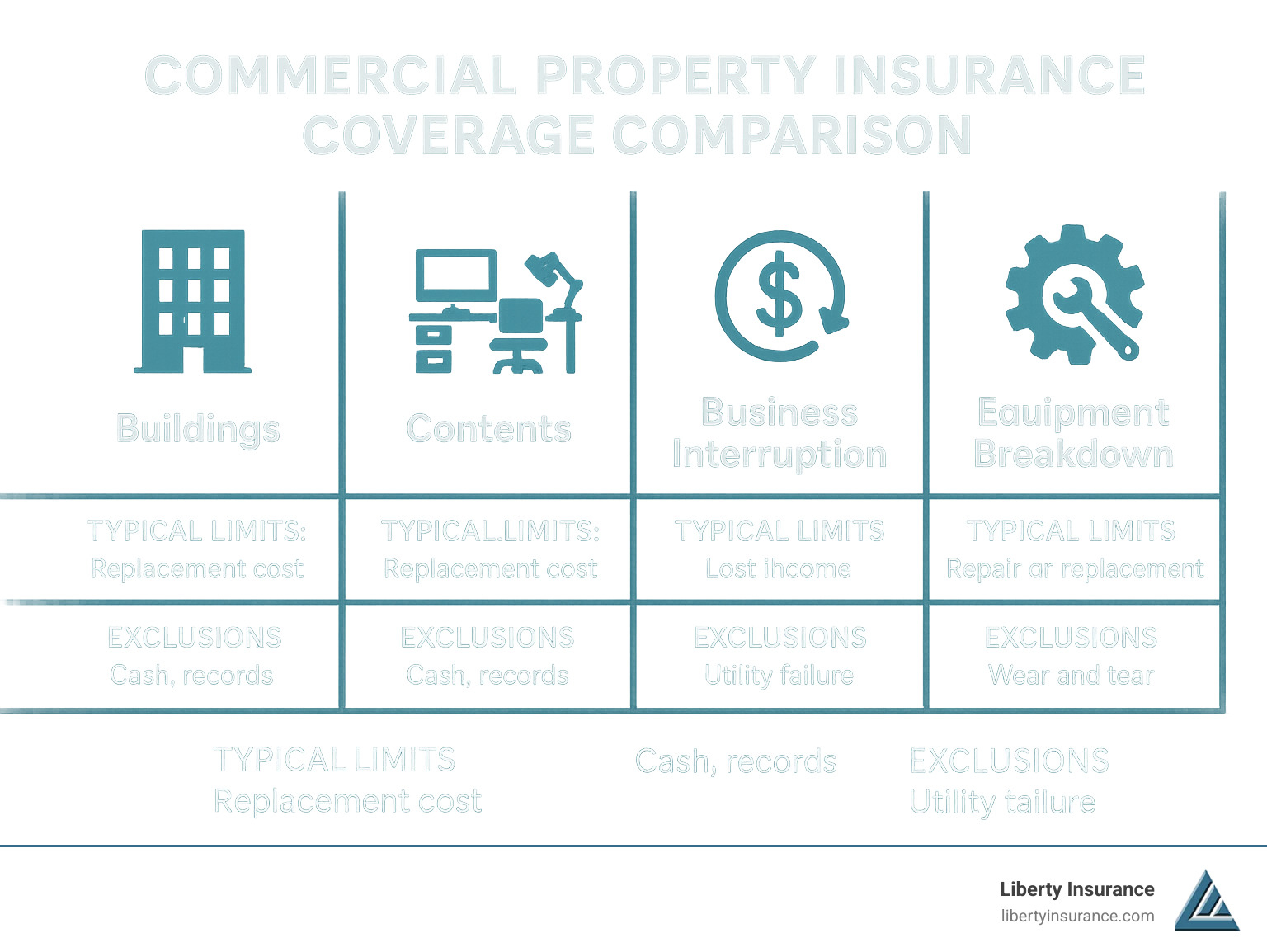
| Property Insurance | Covers damages to business premises and assets | Asset protection, disaster recovery |
| Health Insurance | Provides healthcare coverage for employees | Attracts talent, employee well-being |
Benefits of Featuring Key Insurance Types
Commercials don’t just list these insurances; they craft a narrative. Featuring liability insurance emphasizes security from unpredictable lawsuits. Property insurance? It’s all about safeguarding your business’s physical backbone. Meanwhile, health insurance pitches are designed to highlight how they enhance employee satisfaction and retention.
Presentation Strategies for Small Businesses
Commercials know their audience. They use relatable scenarios and testimonials to connect with business owners. Visual storytelling is a powerful tool, making the benefits of each insurance type tangible. The key is to address both logical and emotional triggers.
Pro Tip: Quick, compelling visuals and a clear call-to-action can dramatically increase engagement.
By showcasing real-life implications, these commercials turn insurance policies from abstract concepts into something every small business owner sees as necessary.
Strategies for Engaging the Audience

Ever wonder why some commercials stick with you while others fade away? The truth is, it’s all about engagement. You want your audience to not just watch but also remember your message.
The key to a memorable commercial is how well you can engage your audience. But it’s not just about flashy graphics or catchy music. It’s about connecting on a deeper level, getting them to care about what you’re offering.
Using Emotional Appeal and Humor
Let’s face it: insurance isn’t always the most exciting topic. So, how do you make it interesting? Use emotion and humor! Emotional stories can tug at heartstrings, making your brand more relatable. When it comes to humor, a light-hearted joke can make a message memorable.
People remember how you make them feel. By adding an emotional layer to your commercial, you create a connection. And with humor, you offer something that’s enjoyable to watch, ensuring your brand is remembered for the right reasons.
Crafting Clear and Trustworthy Messaging
A commercial with a muddled message is a missed opportunity. You want your audience to grasp your core message instantly. That means clarity is key. Use straightforward language that explains the benefits of your insurance offerings.
Here is the deal: people trust brands that communicate clearly. If your message is easy to understand, potential customers are more likely to believe in your business. Trust is built when there are no hidden meanings or complex terms, just simple, honest communication.
Pro Tip: Always have a clear call to action at the end of your commercial. It guides the audience on what to do next and keeps the engagement going.
Challenges in Creating Small Business Insurance Commercials
Ever wondered why some commercials hit the mark while others flop? Creating effective small business insurance commercials is trickier than it seems. You face a blend of creative and strategic hurdles. Let’s dive into these challenges and how to overcome them.
Insurance isn’t the most exciting product to market, right? Yet, it’s crucial for business owners. You need to capture attention fast and keep it throughout the commercial. The challenge is balancing information with engagement, especially when budgets are tight. BUT, there’s a way to tackle this head-on.
Overcoming Creative Hurdles
Most small business insurance commercials struggle with *standing out*. How do you make insurance exciting? Storytelling is your answer. Weave a story that resonates with business owners. Show them how insurance saves the day, not just the boring details of policies. Here is the deal: Use real-life scenarios and testimonials to build trust and relatability. When stories hit home, they create a lasting impact.
Pro Tip: Use humor wisely. It can make a dry topic more engaging, but keep it relevant and tasteful.
Traditional Media vs. Digital Platforms
Where should you broadcast your commercial? On one hand, there’s TV and radio. On the other, digital platforms like social media and YouTube. Each has its pros and cons. *Let’s break it down.*
| Traditional Media | Digital Platforms |
|---|---|
| Wide reach but costly | Targeted audience and budget-friendly |
| One-way communication | Engages with interaction |
Ultimately, digital platforms allow for more personalization and interaction with your audience. They let you measure the effectiveness of your ad in real time. BUT, traditional media still has a major audience reach, especially among older demographics. Choose based on your target audience’s habits.
Future Trends in Small Business Insurance Advertising
Did you know that the global digital ad spend will reach a whopping $517 billion by 2023? Small business insurance is riding this wave of change.
We’re at the forefront of an advertising evolution. The ways insurers connect with their audience are transforming rapidly, paving the path for more personalized and interactive experiences.
Emerging Trends in Advertising
One key trend is the use of AI-driven personalization. Imagine watching a commercial that addresses your specific pain points as a business owner. That’s the power of artificial intelligence tailoring experiences to individual needs.
The world of small business insurance advertising is also leveraging the power of storytelling. Brands are crafting narratives that resonate emotionally with viewers, making commercials memorable and impactful.
Integration of Technology in Interactive Commercials
Technology is the driving force behind the new wave of commercials. Interactive ads are now allowing viewers to engage directly with content. Imagine clicking on a commercial to explore insurance options, calculate premiums, and even start a live chat with a representative.
This tech integration doesn’t stop there. Augmented Reality (AR) is being used to simulate real-world scenarios where insurance coverage comes into play. This immersive experience helps potential customers see the tangible benefits of having the right insurance in place.
Pro Tip: Embrace tech trends like AI and AR to stay ahead in advertising. They’re not just buzzwords; they’re tools to revolutionize viewer engagement.
Innovative Approaches Shaping Future Commercials
Insurers are also experimenting with gamification to capture attention. Gamified ads make learning about insurance fun and engaging, turning what was once mundane into an interactive experience.
Moreover, the integration of social media influencers into small business insurance commercials is turning heads. These influencers bring authenticity and a vast reach, making insurance relatable and trustworthy.
Many companies are now crafting short-form video content for platforms like TikTok and Instagram. These bite-sized commercials are designed to hook the audience quickly and deliver a clear message about their insurance offerings.
Final Thoughts
In conclusion, the landscape of small business insurance advertising is dynamic and ever-evolving. As technology advances and consumer preferences shift, the ability to craft engaging, memorable, and impactful commercials becomes even more crucial. By understanding the elements that resonate with audiences and overcoming the challenges of traditional and digital media, businesses can create commercials that not only inform but inspire. The future holds exciting possibilities for those willing to innovate and adapt, ensuring that their message stands out in an increasingly crowded marketplace.
Q&A
What makes a small business insurance commercial effective?
Effective commercials combine storytelling, visual elements, and emotional appeal to engage viewers and convey the value of the insurance offered.
Why is storytelling important in insurance commercials?
Storytelling helps to humanize the insurance product, making it relatable and showing its impact in real-life scenarios.
What types of insurance are commonly featured in commercials?
Common types include liability, property, and health insurance, each of which addresses different business needs and risks.
How can humor enhance an insurance commercial?
Humor can make the commercial more memorable and engaging, helping to retain viewer attention and create a positive impression.
What are the challenges of creating small business insurance commercials?
Challenges include standing out in a crowded market, simplifying complex information, and choosing the right media platform for distribution.
